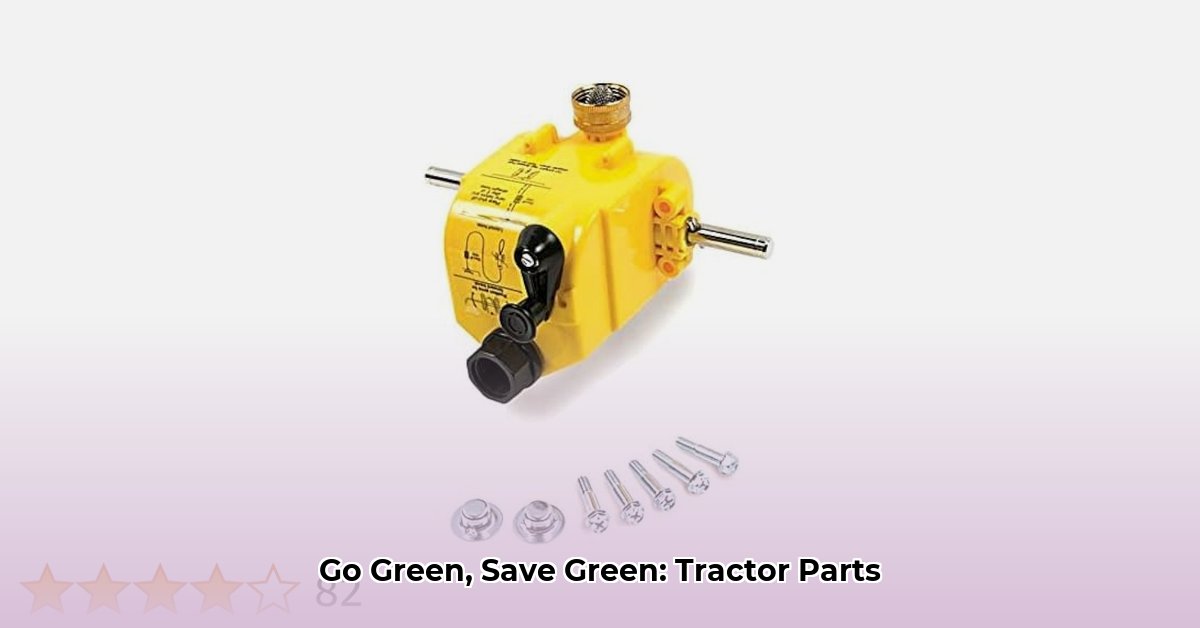
Finding the right tractor parts is crucial for maintaining farm productivity. This guide helps farmers navigate sustainable sourcing, focusing on cost-effectiveness and environmental responsibility, using Nelson Tractor Parts as a case study. We'll explore various sourcing options, supplier evaluation, and long-term sustainability planning. For additional resources, check out this helpful guide.
Understanding Your Tractor's Needs: A Foundation for Smart Sourcing
Before searching for parts, thoroughly assess your needs. Knowing your tractor's model number ensures proper part fit. Consider your budget: are you prioritizing cost savings, quality, or a balance of both? Finally, define your sustainability goals— minimizing waste, supporting eco-conscious businesses, or a combination. These factors are vital for making informed purchasing decisions. Prioritize urgent repairs and strategize for long-term equipment health.
Finding the Right Tractor Parts: Weighing Your Options
Several paths exist for procuring tractor parts:
Original Equipment Manufacturer (OEM) Parts (like Nelson Tractor Parts): These parts, designed specifically for your tractor model, offer guaranteed fit and reliability, often backed by warranties. However, they are typically the most expensive.
Aftermarket Parts: These parts, manufactured by companies other than the OEM, present a lower-cost alternative. Quality can vary considerably, and warranties might be less comprehensive.
Used or Rebuilt Parts: A cost-effective option; however, careful inspection is essential to prevent purchasing faulty or short-lived parts. Warranties are usually limited.
3D-Printed Parts: This emerging technology allows for custom-designed parts, potentially solving supply chain issues for obsolete or hard-to-find components. However, access to 3D printing technology and material knowledge is required.
| Sourcing Option | Pros | Cons | Key Considerations |
|---|---|---|---|
| OEM Parts (like Nelson) | Guaranteed fit, reliability, warranties; supports established businesses | Higher cost | Best for critical components, especially those covered by warranty. |
| Aftermarket Parts | Lower cost | Variable quality, limited warranties, potential compatibility issues | Thoroughly compare specifications and reviews; prioritize reputable suppliers. |
| Used/Rebuilt Parts | Significantly lower cost | Shorter lifespan, limited warranties, potential hidden problems | Prioritize thorough inspection and understand the inherent risk. |
| 3D-Printed Parts | Customizable, solves obsolete parts issues | Requires specialized equipment and knowledge; not suitable for all parts | Evaluate cost, practicality, and part criticality; research local resources. |
Choosing a Supplier: Beyond Price—Sustainability Matters
Supplier selection goes beyond price. Evaluate a supplier's reputation, read farmer reviews, and investigate their warranty policies. Crucially, assess their commitment to sustainability. Do they utilize recycled materials in packaging? Do they offer carbon-neutral shipping options? Companies prioritizing sustainability, like Nelson Tractor Parts, offer a responsible choice.
Long-Term Sustainability Planning: A Proactive Approach
Sustainable practices extend beyond individual purchases. Regular maintenance, including predictive maintenance (using data-driven insights to schedule maintenance), is essential for prolonging equipment life and reducing the need for frequent part replacements. Investing in fuel-efficient tractors and updated technologies minimizes your environmental impact. Staying current on evolving regulations allows you to adapt your practices and potentially take advantage of incentives.
Case Study: Farmer John's Sustainable Success
Farmer John in Nebraska, operating older equipment, successfully extended his tractor's lifespan by utilizing Nelson Tractor Parts, which supports older models. This approach avoided the environmental impact and cost of new equipment purchases.
Mitigating Risk: Strategies for Protecting Your Investment
Diversify your suppliers to avoid reliance on single sources. Verify part authenticity to prevent purchasing counterfeits. Explore environmentally friendly shipping options. For older tractors with limited parts availability, consider 3D printing. Proactive planning and resources mitigate potential issues.
How to Reduce the Environmental Impact of Tractor Parts Sourcing: Key Takeaways
- Regular maintenance: Extends equipment life, reducing the frequency of part replacements.
- Strategic sourcing: Carefully choosing between OEM, aftermarket, recycled, or 3D-printed parts significantly impacts the environmental footprint.
- Supplier selection: Prioritize suppliers with strong sustainability practices, such as using recycled materials and eco-friendly shipping.
- Long-term planning: Utilize predictive maintenance and adopt sustainable technologies.